carbon accounting platforms
Carbon accounting platforms are transforming how businesses manage their environmental impact. These tools help organizations track and reduce carbon emissions. They are essential for companies aiming to meet sustainability goals and comply with regulations.
The demand for carbon accounting software is growing. More businesses are committing to net-zero targets. This software provides insights into emission trends and helps identify reduction opportunities.
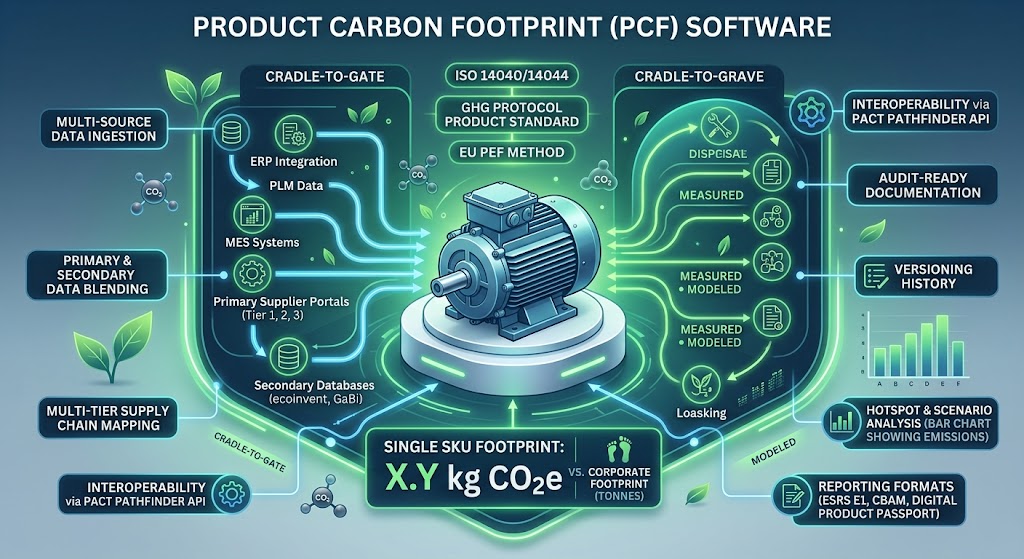
Top carbon accounting software offers features like data collection, analysis, and reporting. It integrates with existing systems for seamless data flow. This integration is crucial for effective emissions management.
Carbon accounting platforms also support supply chain transparency. They track emissions across the entire supply chain, enhancing accountability. This capability is vital for businesses looking to improve their sustainability practices.
As technology advances, carbon accounting software continues to evolve. Recent developments include AI and machine learning for better data analysis. These innovations promise to make carbon accounting more efficient and effective.
What Are Carbon Accounting Platforms?

Carbon accounting platforms are digital tools that help organizations measure, track, and reduce their carbon emissions. They compile data from various sources to create comprehensive reports. This allows businesses to understand their environmental impact thoroughly.
These platforms play a vital role in greenhouse gas accounting. They utilize methodologies aligned with international standards, ensuring accurate calculations. Businesses benefit from tools that visualize emissions data clearly, aiding strategic decision-making.
A key feature of these platforms is their ability to integrate seamlessly with existing systems. This integration supports automatic data input and reduces manual errors. Moreover, they offer customizable dashboards, adapting to specific business needs.
Here are some typical features of carbon accounting platforms:
- Automated data collection from IoT devices
- Real-time emissions monitoring and reporting
- Customizable sustainability and compliance reports
- Visualization of emission trends and hotspots
- Scenario analysis for sustainability strategies
By using these platforms, organizations can reduce carbon footprints and achieve sustainability goals. This technological approach also enhances a company’s image as a responsible corporate citizen.
Why Carbon Accounting Software Matters for Businesses

Carbon accounting software is crucial for businesses aiming to tackle climate change. It provides data that shows the extent of their carbon footprint. This data is pivotal for setting realistic emission reduction targets and monitoring progress.
For companies striving for transparency, these tools offer clarity. They facilitate the creation of detailed reports for stakeholders and regulatory bodies. Sharing such data enhances trust and demonstrates commitment to sustainability.
Integration with existing business systems is another benefit. Carbon accounting software often harmonizes with financial management and other operational tools. This synchronization ensures a seamless flow of information across departments.
Key advantages of carbon accounting software include:
- Enhanced data accuracy and consistency
- Improved compliance with environmental regulations
- Identification of cost-saving energy efficiency opportunities
- Support for corporate social responsibility (CSR) initiatives
By adopting carbon accounting software, businesses can stay ahead of regulatory demands. They also position themselves as leaders in the global drive towards sustainability.
Key Features of Top Carbon Accounting Software

Top carbon accounting software comes with advanced features that streamline emissions tracking. These platforms provide tools for precise data collection. They transform raw data into actionable insights through detailed analysis.
Visualization capabilities are integral to these tools. Users benefit from charts and graphs that clearly display emissions trends. Such visuals help in identifying patterns and making informed decisions.
Customization options enhance user experience. Businesses can tailor dashboards and reports to meet specific needs. This flexibility is crucial for aligning the software with unique industry demands.
Integration is a standout feature of leading software options. Compatibility with existing systems ensures a seamless flow of data across all business operations. This integration minimizes manual data entry, reducing the risk of errors.
Prominent features of top carbon accounting software include:
- Real-time data access via cloud-based platforms
- Automated data collection from multiple sources
- Customizable dashboards and reporting tools
- Scenario analysis for emissions forecasting
These features collectively boost the efficiency of emissions management. With the right software, businesses can make significant strides in sustainability. They gain not only regulatory compliance but also a competitive edge.
Comparing the Best Carbon Accounting Software in 2026
In 2026, the landscape of carbon accounting software has evolved significantly. Several platforms stand out due to their unique features and capabilities. Businesses must evaluate these options carefully to select the one that best suits their needs.
First, consider software with robust integration capabilities. The best platforms seamlessly connect with existing IT infrastructure. This feature ensures uninterrupted data flow across systems, enhancing overall efficiency.
Next, look at the data analysis tools offered by these platforms. Advanced algorithms and machine learning play a crucial role in modern software. They provide insights that drive strategic decisions and sustainable practices.
User experience is another critical factor. Easy-to-navigate interfaces and comprehensive support are hallmarks of superior software. These features lead to better user adoption and reduced training time.
Pricing models should also be evaluated. Costs range from affordable options for small businesses to comprehensive solutions for large enterprises. Assess your budget and select a platform that offers the best value.
Comparing leading carbon accounting platforms involves examining:
- Integration capabilities
- Advanced data analysis features
- User-friendly interfaces
- Flexible pricing models
by Nick Brunner (https://unsplash.com/@nickbrunner)
Several platforms incorporate industry-specific features. Manufacturing, transportation, and energy sectors find tailored tools beneficial. These specialized solutions address sector-specific challenges effectively.
Carbon footprint reporting is a vital component of any top-tier software. The ability to generate detailed reports aligns with regulatory and stakeholder demands. Platforms offering customizable reporting tools are preferred.
Security features must not be overlooked. With increasing data privacy concerns, robust security protocols are essential. Encryption and regular security updates safeguard sensitive emission data.
by Sufyan (https://unsplash.com/@blenderdesigner)
Mobility is increasingly important in 2026. Many platforms offer mobile apps for accessing data on the go. This flexibility supports real-time decision-making and enhances collaboration.
Looking at the whole picture, businesses should choose a platform that aligns with their sustainability goals. The right software makes a significant impact on reducing emissions. It also positions organizations competitively in a sustainability-focused market.
by salomo Jefry (https://unsplash.com/@memesom)
Ultimately, investing in the best carbon accounting software is essential for business growth and environmental responsibility.
Carbon Footprint Software for Supply Chain Management
Supply chains are intricate networks that significantly impact a company’s carbon footprint. Managing emissions at each link in the supply chain is crucial. Carbon footprint software tailored for supply chain management offers solutions to these complex challenges.
Such software helps identify emission hotspots throughout the supply chain. By analyzing data from multiple sources, businesses can pinpoint areas for improvement. This insight supports strategic decision-making and effective emissions reduction efforts.
Key benefits of carbon footprint software in supply chains include:
- Real-time emissions tracking
- Detailed reporting for each supply chain segment
- Integration with suppliers’ systems for cohesive data
by Tasha Kostyuk (https://unsplash.com/@tashakostyuk)
Companies can leverage these platforms to enhance transparency and accountability. They foster better collaboration with suppliers and partners, aligning entire networks with sustainability goals. This cooperation is vital for achieving meaningful environmental impact.
Furthermore, these tools provide businesses with a competitive edge. As sustainability becomes more central to consumer choices, companies with transparent supply chains are better positioned. Effective carbon accounting in supply chain management is no longer optional; it’s a strategic necessity for forward-thinking organizations.
Greenhouse Gas Accounting and Emissions Management
Greenhouse gas (GHG) accounting plays a vital role in sustainability strategies. It involves quantifying emissions from various sources across an organization. This process is foundational for comprehensive emissions management.
Effective GHG accounting requires precise data collection and analysis. Carbon accounting software streamlines this by automating data capture. Automation reduces errors and enhances accuracy, essential for reliable reporting.
Emissions management software further supports organizations by:
- Setting emission reduction targets
- Monitoring progress toward these goals
- Generating compliance reports for regulatory standards
by KOBU Agency (https://unsplash.com/@kobuagency)
The integration of emissions management tools enables businesses to devise strategic plans. These plans address both current emissions and future reduction pathways. As regulatory requirements evolve, staying ahead with robust emissions management systems is crucial.
Moreover, successful greenhouse gas accounting facilitates better communication. It allows organizations to transparently share progress with stakeholders, fostering trust and accountability. This transparency not only bolsters public image but also strengthens internal commitment to sustainability objectives.
How to Choose the Right Carbon Accounting Platform
Selecting the best carbon accounting software can be daunting. Businesses must align their choice with specific operational needs and environmental goals. Each platform offers unique features that may or may not suit every organization.
A critical step is assessing the software’s integration capabilities. The best solutions work seamlessly with existing systems. This integration ensures smooth data flow and reduces disruptions in workflow.
Consider the ease of use and support offered. User-friendly interfaces make the transition smoother. Additionally, comprehensive support services help resolve issues swiftly, minimizing downtime.
Here are key factors to evaluate when choosing a platform:
- Integration with current systems
- User interface and overall usability
- Feature set specific to industry needs
- Level of support and training offered
- Cost and value relative to features
Balancing these factors can guide businesses toward a platform that not only meets their needs but also enhances their sustainability initiatives. Choosing the right solution positions organizations for successful emissions management and a robust sustainability strategy moving forward.
Latest Trends and Carbon Accounting Software News
The world of carbon accounting software is rapidly evolving. Recent developments enhance data analysis and decision-making capabilities. Advanced technologies like AI and machine learning play a crucial role.
These innovations help organizations analyze data more accurately. They also provide predictive insights, aiding proactive decision-making. The use of blockchain is increasing to boost transparency and security.
Key trends shaping the landscape include:
- Integration of AI and machine learning for better insights
- Use of blockchain technology for added transparency
- Growing focus on real-time data access
by Morthy Jameson (https://unsplash.com/@theothermorthy)
Staying updated with these trends ensures organizations can leverage the latest tools. By doing so, they are poised to achieve their sustainability targets more effectively. Keeping an eye on carbon accounting software news is essential for staying competitive.
Conclusion: The Future of Carbon Accounting Platforms
The future of carbon accounting platforms looks promising and dynamic. As technology advances, these platforms will become even more sophisticated, offering greater accuracy and efficiency. This progress will help businesses not just track their emissions but also take actionable steps towards sustainability.
Organizations adopting cutting-edge carbon accounting software can achieve significant environmental and economic benefits. Real-time tracking and analysis will become standard, enhancing decision-making. This will empower companies to set and achieve ambitious carbon reduction goals.
In the coming years, these tools will play a vital role in driving corporate sustainability strategies. As businesses strive for net-zero emissions, carbon accounting platforms will be indispensable allies. The journey towards a greener future is truly underway.