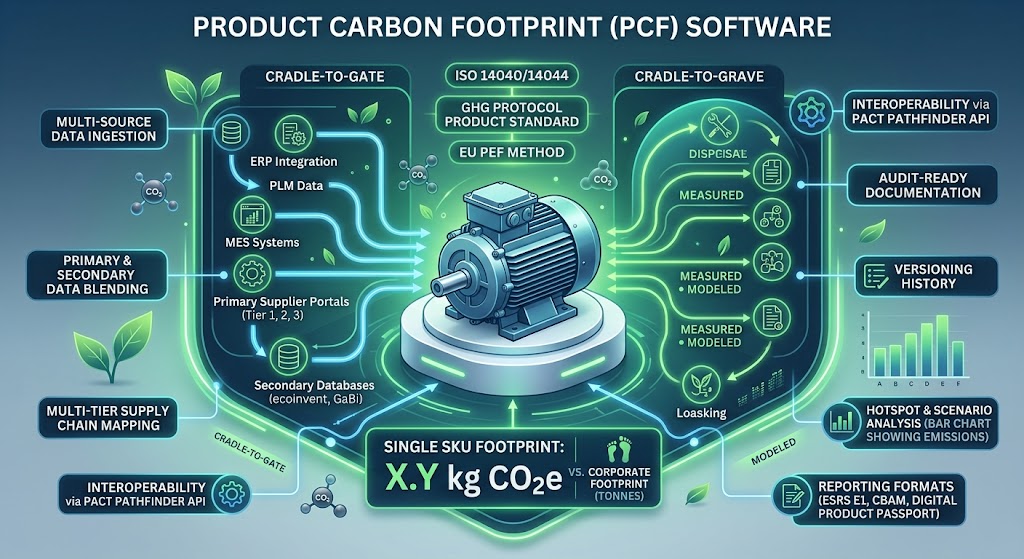
Product Carbon Footprint Software: What It Should Be Capable Of in 2026
What product carbon footprint (PCF) software needs to do in 2026: data integration, PACT/Catena-X interoperability, audit-ready LCA, and CSRD/CBAM reporting.
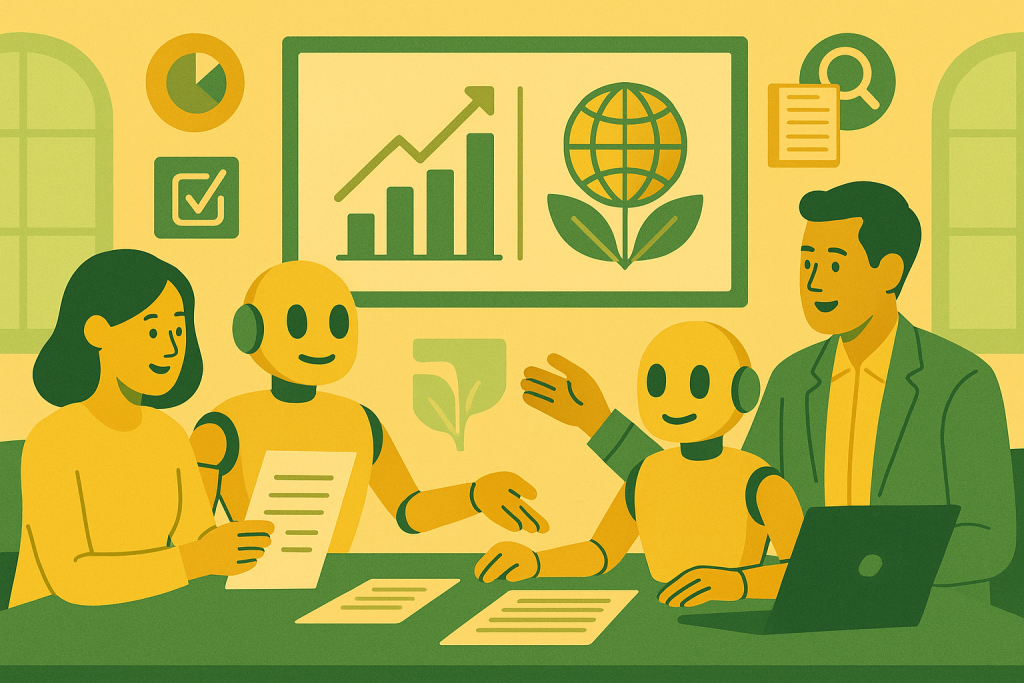
AI Sustainability Disclosure Agent: The Shift From ESG Copilots to Compliance Systems
Workiva’s new sustainability disclosure agent is notable not because it writes faster, but because it reflects where AI in ESG is actually heading: toward framework mapping, gap detection, and audit-ready controls.
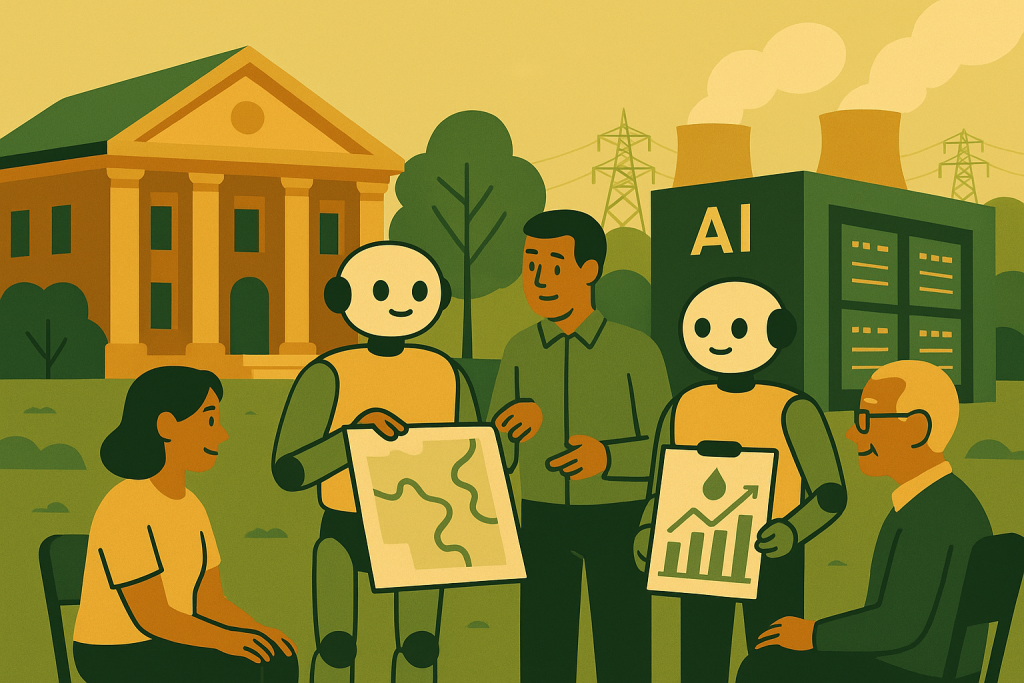
AI Data Center Moratorium Is the New Climate Signal for the AI Economy
A surge in local bans and project delays shows the environmental politics of AI have moved from abstract carbon talk to hard limits on power, water, and permits. That shift matters more than another corporate sustainability pledge.
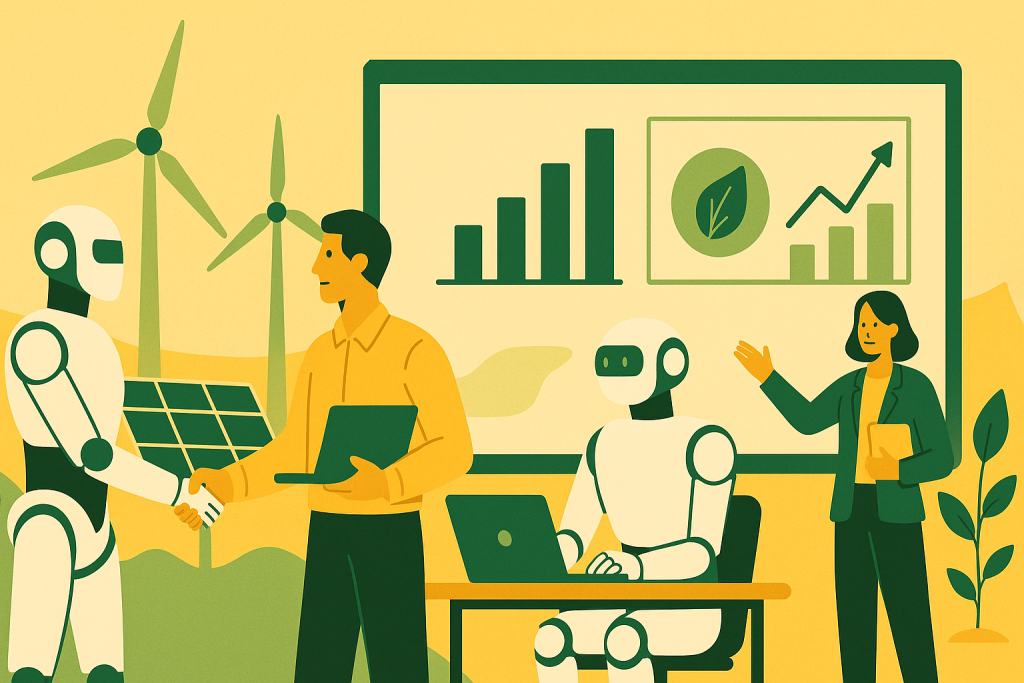
Top Carbon Accounting Software for 2026: Best Platforms & Features
Revolutionize your business's sustainability with top carbon accounting software. These platforms provide real-time insights, streamline emissions management, and aid in meeting net-zero goals. Discover how cutting-edge carbon accounting software enhances supply chain transparency and supports efficient emissions tracking.
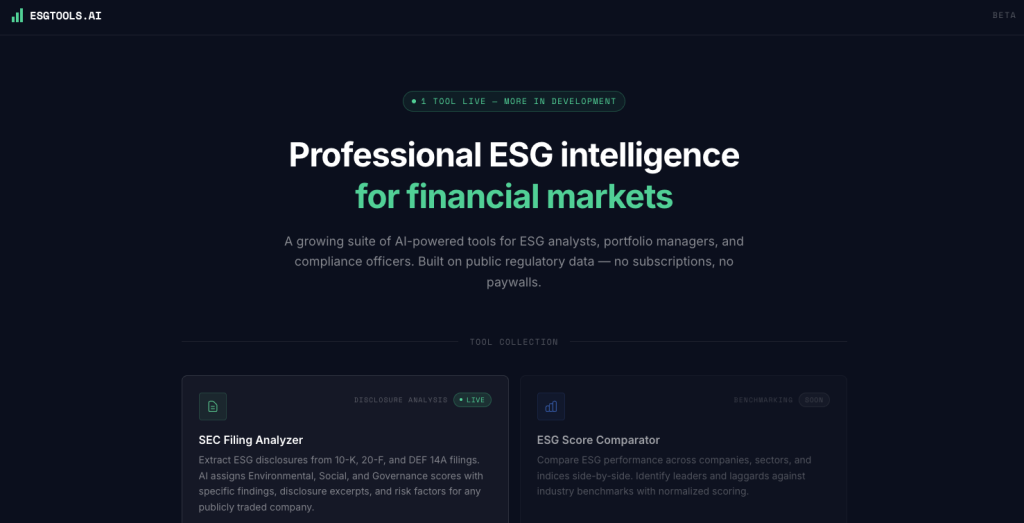
The AI Tool to Analyze SEC Filings for ESG Disclosures — Meet the SEC ESG Analyzer
The most honest thing a public company publishes is the part nobody reads.
Annual reports run 200+ pages. The marketing lives in the first 20. The truth lives in the risk factors and disclosure sections — where lawyers compel companies to state, in writing and under regulatory scrutiny, what could actually hurt them. Climate exposure. Supply chain dependencies. Governance gaps. It's all in there. It's just buried under hundreds of pages of legal language that no human has time to read across more than a handful of companies.
AI Sustainability Reporting 2026: Why the Real Opportunity Is Control, Not Content Generation
The newest wave of AI reporting tools is not most useful when it writes sustainability prose. Its real value is earlier gap detection, traceable evidence, and control across ESRS and ISSB workflows amid policy uncertainty.
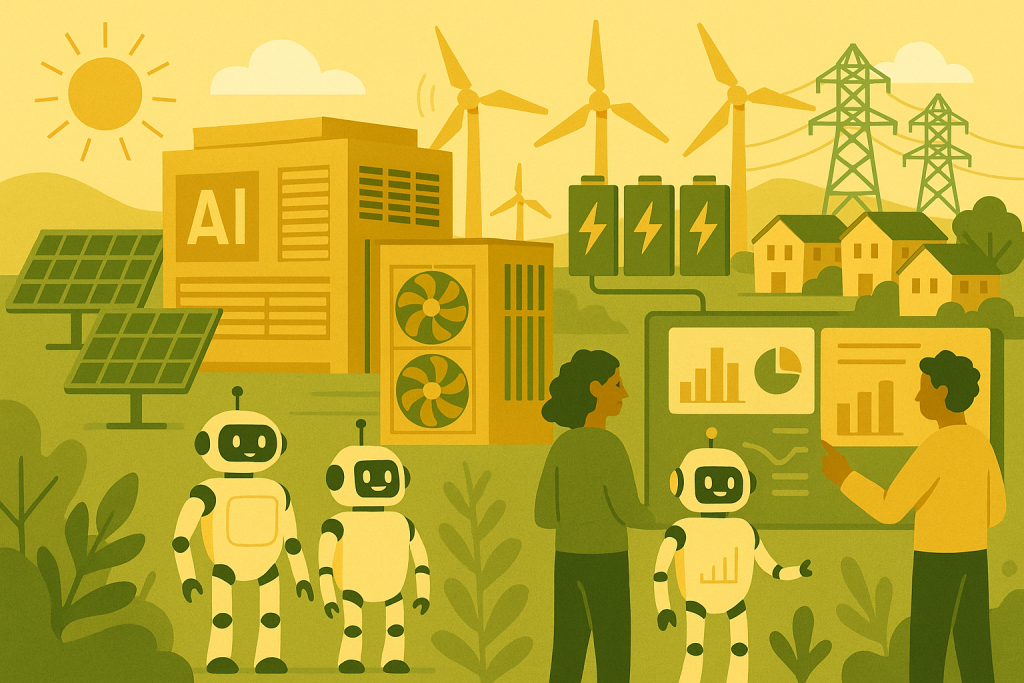
AI Data Center Electricity Demand 2026: Why the Power Bottleneck Is Now the Real AI Governance Story
The AI boom is no longer constrained mainly by chips. New June 2026 data shows electricity, cooling, and local permitting are becoming the decisive constraints on how fast AI infrastructure can grow.

AI Carbon Accounting: How Artificial Intelligence Is Rebuilding Emissions Reporting in 2026
Carbon accounting has outgrown spreadsheets. With CSRD assurance, CBAM's definitive period and stricter Scope 3 rules all landing in 2026, AI is turning emissions reporting from an annual scramble into continuous, audit-ready infrastructure — here's how it works and what to look for in a platform.
Shorter alternative (~25 words):
AI carbon accounting automates Scope 1–3 data collection, classification and disclosure. Why 2026 is the tipping point — and how to evaluate the software.
How AI Tools Are Reshaping Corporate Net-Zero Roadmaps
AI is turning net-zero planning from a spreadsheet exercise into a dynamic, decision-ready strategy. Here’s how companies can use AI tools to measure, prioritize, and accelerate decarbonization.
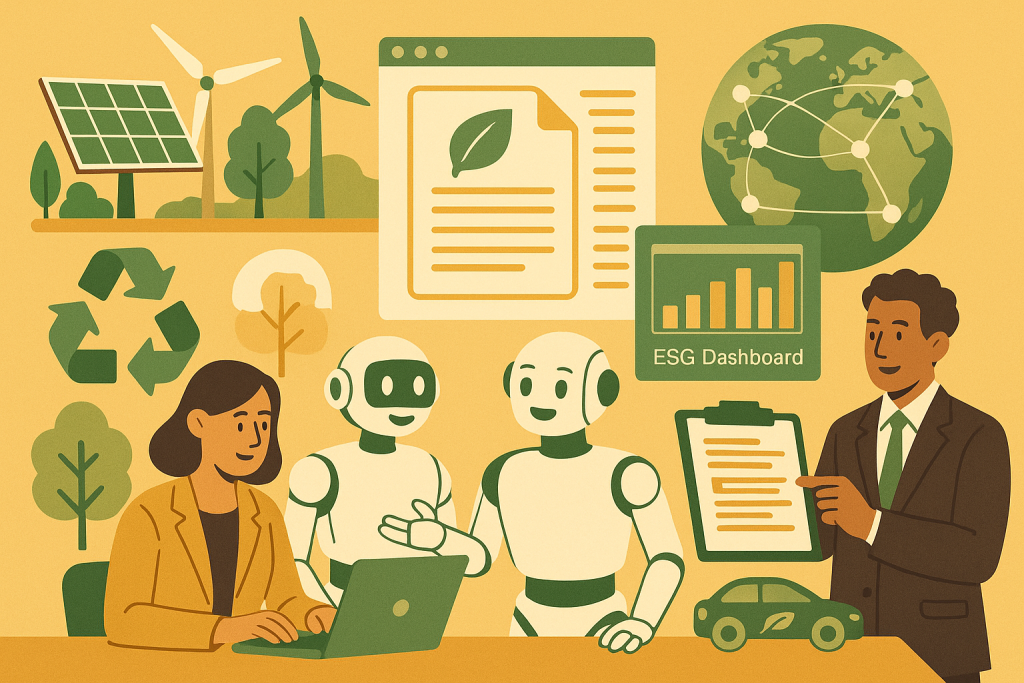
How Natural Language Processing Is Transforming Climate Policy Analysis
Natural language processing helps governments, researchers, and businesses decode climate policy at scale. Learn how NLP turns complex regulation into actionable insight.